
Vasectomies $200 OFF June 18-19. Click for details!

Kissimmee Vasectomies Saturday May 30 and Saturday June 20.

Orlando Vasectomies Friday May 29.

Cocoa Vasectomies Friday June 12.

Pt. Orange Vasectomies Friday July 10.

Ocala Vasectomies Saturday May 23.

Frisco, CO Vasectomies July 7.
VasWeb Logo

Vasectomy in Tampa and Central Florida

What is Vasectomy
Before Vasectomy
After Vasectomy
Limitations and advantages
Risks
Think Carefully
Schedule Vasectomy

What to Expect From a Vasectomy Procedure

Vasectomy is a safe, highly effective form of permanent birth control for men who are certain they do not want future pregnancies. At VasWeb, the procedure is performed in-office using local anesthesia, with a focus on comfort, efficiency, clear preparation, and follow-up testing.
Quick Facts About Vasectomy

  • Vasectomy is intended to be a permanent form of birth control. Reversals are often successful, but not always, so we cannot consider vasectomy "reversible", like condoms and most female options.
  • The procedure is performed in-office using local anesthesia.
  • Most patients return to light daily activities within a few days.
  • You must continue using other contraception until semen testing confirms the procedure was successful.
  • The sections below explain preparation, recovery, risks, limitations, and scheduling.

What Happens During a Vasectomy?

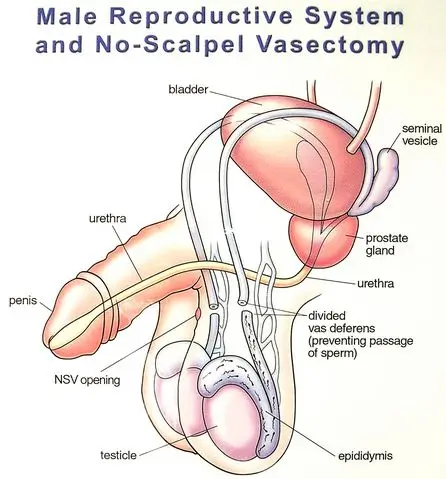
During a vasectomy, the doctor numbs the area with local anesthesia spray and accesses the vas deferens, the tubes that carry sperm. The tubes are then blocked so sperm can no longer enter the semen. The procedure is typically brief and performed in an office or clinic setting. The access site is so small that stitches are not required.

What is a Vasectomy?

A vasectomy is a minor in-office procedure that prevents sperm from entering the semen. It does not remove the testicles, lower testosterone, or change ejaculation. Instead, the procedure blocks the tubes that carry sperm, making it a reliable long-term birth control option for men who are done having children.

At VasWeb, patients across Tampa, Orlando, and Central Florida receive clear preparation instructions before the procedure and follow-up guidance afterward.
Vasectomy Anatomy

Before Vasectomy

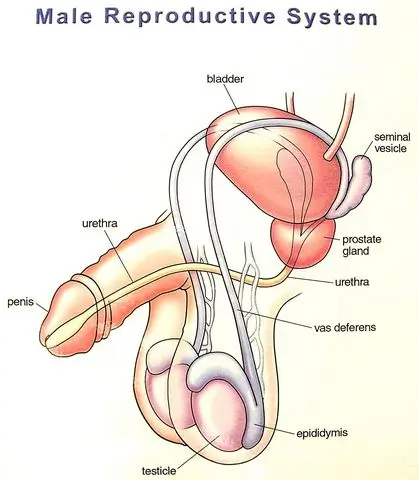
The prostate and seminal vesicles produce over 95% of the semen. Only 2-5% of the semen is sperm from the testicles. Vasectomy does not effect the prostate and seminal vesicles, so most men notice no change in the semen after vasectomy.

How sperm normally travel

Sperm are made in the testicles and move through the epididymis, where they mature. From there, they travel through the vas deferens, the tubes that carry sperm toward the urethra, where they combine with the semen made by the prostate and seminal vesicles. During the procedure, these vas tubes are blocked so sperm can no longer enter the semen.
Vasectomy Anatomy

After Vasectomy

After the procedure, sperm may remain in the reproductive tract for several weeks. You must continue using other contraception until follow-up semen testing confirms that sperm are no longer present.

Sperm are still made by the testes after the procedure, but they can no longer pass through the vas deferens. White blood cells in the normal testicular circulation ingest, digest, and recycle the sperm that cannot exit the traditional way.

What Should Not Change After Vasectomy

A vasectomy blocks sperm from entering semen, but most men notice:

  • No change in the semen
  • No change in sex drive
  • No change in climax sensation
  • No change in the testes or scrotum
  • No change in erections

This is based upon surveys of our own patients in 2006 and 2010 (click for details).

Typical Recovery Timeline

  • First 24–48 hours: Rest, avoid heavy activity, and follow care instructions.
  • First few days: Mild soreness or swelling may occur and usually improves.
  • First week: Most patients return to normal activities.
  • Until semen testing confirms success: Continue using other birth control.

Benefits and Limitations of Vasectomy

Advantages of Vasectomy
  • One-time procedure with long-term birth control benefits.
  • Often covered by insurance or assistance programs for eligible patients.
  • More reliable than most temporary birth control methods.
  • Avoids the ongoing risks and side effects of birth control pills, shots, or IUDs by a partner.
  • Less invasive and often less costly than tubal ligation.
Limitations of Vasectomy
  • Vasectomy should be considered permanent. Reversals are often but not always successful.
  • It does not work immediately.
  • Other contraception is needed until semen testing confirms success.
  • It does not protect against sexually transmitted infections.
  • Reversal may be possible, but results are not guaranteed.
A vasectomy can provide long-term peace of mind when you are certain you do not want future pregnancies.

Risks and Safety Considerations

Most men recover without serious problems after vasectomy. However, like any medical procedure, vasectomy has possible risks. These may include temporary soreness, swelling, bruising, infection, bleeding, sperm granuloma, chronic discomfort, or, rarely, failure of the procedure.

Possible Short-Term Effects

Some temporary discomfort and bruising, occasionally swelling and tenderness requiring the use of anti-inflammatory meds like ibuprofen. These effects are usually mild and improve with time, rest, and non-prescription medication.

Less Common Risks

Less common risks include infection; bleeding and development of a scrotal blood clot (very rarely requiring drainage in an operating room); development of a usually painless inflammatory nodule at the vasectomy site called a sperm granuloma; and ongoing periodic scrotal discomfort, occasionally severe enough to be described as Post Vasectomy Pain Syndrome.

Failure and Follow-Up Testing

Vasectomy is highly effective, but it is not immediate. Sperm may remain in the tubes downstream from the vasectomy site after the procedure, so another form of contraception must be used until semen testing confirms that sperm have all been expelled and are no longer present.

Long-Term Health

Current evidence has not proven a link between vasectomy and long-term health problems such as cancer or cardiovascular disease. Patients with questions should discuss them with the doctor before the procedure.

There are no proven long-term health risks (neither cancer nor cardiovascular disease) associated with vasectomy, but since questions have been raised, they are addressed in our page of Frequently Asked Questions.

Consider the Alternatives to Vasectomy.

The risks of NOT having a vasectomy are all borne by the partners of men who choose to avoid vasectomy. And they are considerable!

Think Carefully Before Vasectomy

Dr. Douglas Stein

Vasectomy should be treated as a permanent form of birth control. Although reversal may be possible, it does not always lead to pregnancy, so the decision should be made carefully and without pressure.

Vasectomy may be a good choice for men who are certain they do not want future pregnancies. Men in their 20s, men with fewer than two children, or anyone unsure about future family plans should take extra time to review all reversible birth control options before proceeding.

You should not have a vasectomy if you feel pressured, if your relationship or personal life is temporarily unstable, or if you have not fully considered alternatives. If you have never caused a pregnancy, sperm storage or additional testing may also be worth discussing before making a final decision.

  1. If your partner has already had a tubal ligation (female sterilization), of if she is pregnant now and may have a tubal ligation during a Ceasarean delivery, please read this Special Message.
  2. Understand the Alternatives to Vasectomy so that you are confident in your choice.
  3. Understand the "Instructions Following Vasectomy" below so that you know what to expect.
  4. Please shave the underside of the penis and the front wall of the scrotum, preferably before the day of the procedure. A bit of alcohol is used to clean the skin before use of the MadaJet® and it can sting slightly right after a fresh shave if the skin is chafed.
  5. Use no powder or deodorant in the genital area on the day of your procedure.
  6. Please wear a scrotal support (jock strap) or very tight underwear to the office on the day of your vasectomy.
  7. Be prepared to sign the operative consent sheet (the last page of the document HERE) upon your arrival in the office.
  8. If possible, arrange to have someone drive you home. Some men who leave the office feeling great will experience delayed lightheadedness.
  9. Plan to do nothing but recline at home (sofa or bed) on the afternoon and evening of the vasectomy.
  10. Do not take any aspirin-containing medication for five days before the procedure.
  11. If your insurance company or HMO requires authorization, be sure to bring it or call our office (813-536-1430) a day or two before your vasectomy to see whether we have received it.
  12. To save time on your procedure day, please watch the Online Counseling Video and complete our Online Registration Form.
  13. If you are taking TESTOSTERONE for "low T" please list it as one of your medications when you do the Online Registration and read the info HERE.
  14. Eat before your procedure, a normal breakfast or lunch. Nervous men who do not eat beforehand are more likely to become lightheaded during or after their vasectomies.
  15. If you have no insurance and are paying $690 ($490 if you are a training case), you will pay a $150 deposit when filling out the online registration and $540 ($340 if you are a training case) immediately before the procedure. If you have insurance though a plan with which are contracted, you will pay a $150 deposit when filling out the online registration and your plan's contracted allowable (less the $150 deposit) immediately before the procedure. We will submit a claim for you. If we are paid by your insurance carrier, that amount or what you paid (whichever is less) will be refunded to you. For men with insurance plans with whom we are not contracted, we will provide an itemized and coded receipt which can be sent to the plan for possible reimbursement.

  1. Spend a quiet evening at home, reclining in bed or on the sofa. Minimize activity. Some men have no pain at all after vasectomy. Many have mild discomfort that does not require pain pills. Sometimes the discomfort is in the groins or abdomen. That's because the testes originate in the abdomen in embryonic life and drag their nerve supply with them as they migrate into the scrotum. So any issue in the scrotal contents can be perceived as an abdomenal process.
  2. Avoid aspirin for 2 days after the vasectomy. You may take acetaminophen (Tylenol or generic) if you have any discomfortas well as Ibuprofen (Motrin, Nuprin, Advil or generic) and naproxen (Aleve) , which are both pain medications and anti-inflammatory drugs. Pain beyond 3 days, especially if accompanied by some swelling of the vasectomy sites above the testes, may signify excessive inflammation, for which ibuprofen and naproxen are better choices than acetaminophen. Some men will have more discomfort or tenderness 3-5 days after the vasectomy than they do for the first few days after their vasectomies. That's because the body goes through a series of steps in responding to the new arrangement, and sometimes the later steps are more noticable than the earlier steps. Usually no reason for concern.
  3. No need for ice packs, unless you really enjoy having ice on your scrotum.
  4. On the day after the procedure, you may walk and drive as much as you like, but no sports, yard work, swimming, or heavy lifting over 30 pounds. If your job is sedentary (office work or supervisor), you may return to work.
  5. You may remove your tight undershorts or scrotal support and take a daily shower starting the morning after the procedure. Replace the tight underwear or scrotal support and wear it whenever you are up and around for the next 2 days, during sports for the next 7 days.
  6. Two days after the procedure, you may return to more strenuous work and regular activities, including swimming, wearing your scrotal support. When pain is gone and tenderness is minimal, you may return to the gym or to running, but on the first day back, do half of your usual workout: half the weight, half the reps, half the speed, half the distance, etc. If pain does not return, you may do your regular workout the next day. You may also swim in fresh or salt water two days after the vasectomy.
  7. Sex: When you no longer have any pain or tenderness, you may ejaculate. I have always recommended waiting at least 2 days for sex, but the American Urological Association Vasectomy Guidelines recommend that men wait a week. Sooner ejaculation could prolong discomfort. Blood in the semen within the first few months after the vasectomy occurs in some men, but it is no reason for concern.
  8. No follow-up visit is required. You will be given our cell phone numbers and if you have undue discomfort or any concerns, you should text your doctor anytime after your vasectomy.
  9. It is normal to have some discoloration of the skin (black and blue) around the puncture site a day or two after the vasectomy. Some men will develop considerable discoloration of the scrotum about 4 days after the vasectomy. Blood from the deep vasectomy site comes to the surface as a purplish-blue mark, gets darker and spreads out like an oil slick, then gradually dissipates.
  10. Some men (about one in 20) will develop swelling and discomfort on one side, sometimes on both sides, starting anytime from 3 days to 3 months following vasectomy. This usually represents an exaggerated form of the normal inflammatory response necessary for sperm resorption and recycling. It is effectively managed with a 5-7 day course of ibuprofen 600 mg 3 times per day.
  11. At least 12 weeks and 20 ejaculations after your vasectomy (time and activity are both important), mail or bring a semen specimen to our office. Specimens will not be checked early. If you mail your specimen earlier than 12 weeks or if you lose the mailer provided at the time of the procedure, we will send you another mailer for a fee of $20 payable by credit card over the phone.

    If you are bringing the specimen, it should be in a small container with a lid, such as a pill or vitamin bottle, baby food jar, etc. The sample should be 30 minutes to 4 hours old. If we are not busy, you will have the result in minutes. If we are very busy, we will examine it when we have time and send you an email with the results by 4 PM that day.

    If you are mailing the specimen, use the mailer (which contains a preservative) and follow the instructions provided. Negative results (you are all clear) will be emailed to the address we have on file for you. If sperm are still seen, you will be asked by email to call our office, whereupon we will (1) advise you to either bring a second specimen to the office 3-4 weeks after the first sample was analyzed, or (2) send you another mailer kit which you use to send a second specimen 3-4 weeks after the first sample was analyzed. Do NOT assume that your semen is sperm-free (sterile) until you get an email from us that tells you that you may stop other forms of contraception.
  12. Dr. Galante's special post-vasectomy expectations and management are HERE.

Read the Special Messages that apply to YOU.

If you have never caused a pregnancy, how do we know that you are fertile?  1% of men have no sperm in their semen (azoospermia) and a larger percentage have a low sperm count (oligospermia). The question is important for two reasons, which vary in importance depending on the age of the man considering vasectomy.

Young men (let's say, men under 35):
Young men who opt for vasectomy before fatherhood may be more likely so seek vasectomy reversal in the future than are men who choose vasectomy when they are in their 40's or 50's. If a young man who has never caused a pregnancy undergoes a vasectomy, then years later has a reversal that is "unsuccessful" (no sperm to the semen post-reversal), how do we know that he had sperm in his semen before his vasectomy? It would be nice to know this before your vasectomy in case you ever opt for a vasectomy reversal. Indeed, if you have no sperm in your semen, there is no reason for a vasectomy in the first place!

Older men (let's say, men over 35):
Nearly every man takes chances now and then by not using contraception despite the fact that he doesn't want to cause a pregnancy. Alcohol impairs one's judgment, and couples take more risks under its influence. If a man has reached his late 30's without ever causing a pregnancy, especially if he has failed to use contraception on a number of occasions, he must begin to wonder if he is fertile and whether he even needs a vasectomy.

For pre-vasectomy testing of semen, you have two options:

If you live close to our office in Tampa/Lutz, and you have completed our online registration, you may bring a semen sample to our office prior to your vasectomy. Bring it in a small container with a lid, such as a pill or vitamin bottle, baby food jar, etc. The sample should be 30 minutes to 4 hours old. Bring it M-F between 9 AM and 3:30 PM. There is no charge for that test.

Wherever you live, you may purchase a home test kit. Kits are available at some pharmacies, some retail outlets like Walmart, Amazon, Ebay, and some specialty companies. One is called SpermCheck Vasectomy. Search on "post-vasectomy semen test". If the test shows that your semen contains sperm, you will need a vasectomy to provide sterility.

If the pre-vasectomy office or store-bought test is negative, we will provide a lab request for a formal semen analysis to corroborate the simple office or home test with a more sensitive one. If the formal semen analysis confirms that there are no sperm in your semen, there is not much sense in having a vasectomy. We will suggest further tests if you would like to delve more deeply into why there are no sperm in your semen. For that, we charge no more than the $150 procedure deposit already paid when scheduling.

If you are not ready to schedule a vasectomy but would like to determine whether there are sperm in your semen, you may purchase a home test kit without a doctor's order (#2 above). For a formal semen analysis, you will need a doctor's order, and these tests are often covered by insurance.

So for various reasons, both younger and older men who have never caused a pregnancy should have their semen checked for sperm before undergoing vasectomy. From June 2012 (when we began this testing) to April 2019, 528 men who had never caused a pregnancy agreed to provide a semen specimen prior to vasectomy. Nineteen (19) of them had no sperm. Eight were on testosterone (known to stop sperm production in some men), and one had had chemotherapy and a bone marrow transplant. But that left 10 (of 519) men (2%) who had no sperm, yet no reason at all to doubt their own fertility potential. One man (age 44) with no sperm in his semen was delighted that he did not need a vasectomy, but wondered aloud how much money he had wasted on condoms all those years!

You may regret it. Men who have vasectomies when they are in their 20's, especially if they have had fewer than two children, may be the ones most likely to seek vasectomy reversal at a later date, often regretting their vasectomy decisions if their reversals are not successful.

You may change. Many men who think they will never want children when they are in their early 20's are delighted with fatherhood when they are in their 30's. You may be totally convinced now that you will never want children, but people change and you may have a much different outlook 10 years from now.

Women change. Similarly, women who have no desire for children when they are in their early 20's may have a much stronger desire when they are in their 30's and when many of their friends are having children of their own.

Relationships end. Since more than 50% of American marriages end in divorce, you may not be with the same partner ten years from now and a new partner may have a much stronger desire for children than your present partner does. So just because your present partner claims that she will never want children, her tune may change 10 years from now, or she may not even be your partner 10 years from now.

The philosophy of you and your partner with respect to abortion should be considered. If you are both not philosophically opposed to abortion, you have some back-up should other forms of contraception fail, and having a vasectomy now may not seem as critical to avoid an unintended pregnancy. But keep in mind that if she gets pregnant, the choice is hers.

Vasectomy should be considered a permanent and non-reversible procedure because vasectomy reversals are not always successful. So before having a vasectomy, know all of the other options ... HERE and HERE.

Young men should consider Sperm Storage. The companies who provide the service will send what you need directly to your home, you can collect the semen specimens in the privacy of your home, and you can mail them back to the company in the storage container provided. Imagine meeting a prospective partner years after your vasectomy. You fall very much in love with her, but you know that she will someday want children. You can tell her, "I have had a vasectomy", or you can say, "I have had a vasectomy, BUT I banked sperm for future use." Now, which do you think will sound better to her? In her eyes, either you did a foolish thing years ago, or you made a responsible decision with good foresight. In one case, you may lose the girl; in the other case, you win her heart. So sperm storage can be a very smart thing, well worth the investment.

Have you discussed your decision with your parents? If not, consider this: You're an adult, yes, but they helped you get there. How would you feel if your son came home one day and said that he had had a vasectomy? That he had done something to limit his future potential (to be a father) and to limit your own potential (to be a grandfather). How would you feel, after nurturing and guiding him for over two decades, if he did something to profoundly influence his future, but did not have the respect or courtesy to just tell you about it beforehand? As with many decisions in life, change the question from, "Should I tell my parents?" to "What can I do that I will never regret?" Would you ever regret not telling them? Possibly, especially if they are hurt as I, as a parent, would be. Would you ever regret telling them? Probably not. Having a vasectomy is still your decision, but at least you granted them the respect of letting them render an opinion. And if they succeed in discouraging you, because they know you better than any doctor does, you may one day thank them. If they don't succeed in discouraging you, they may split with you the cost of sperm storage and feel much better about your vasectomy in doing so.

All of this said, I recognize the fact that most of us know someone whose girlfriend said she could not get pregnant, or conveniently "forgot" to take her pills, or even poked pinholes in his condoms. And I recognize that our judgments can be impaired after a few drinks so that we are less inclined to cover up or pull out on time. Indeed some men perceive the risks of not getting a vasectomy to be greater than the risks of getting one. We must all be masters of our own destinies, and that is easier if we think through all of the implications, alternatives, and potential consequences of our decisions.

Parker had a vasectomy at age 18. His story is presented in the podcast HERE.

Testosterone (T) therapy inhibits sperm production by the testes. In our personal experience, about 70% of men on T therapy have no sperm in their semen.

VASECTOMY: We offer men who are on T therapy the option to bring a semen specimen when they come to our main office in Lutz for their vasectomies. For men who are seeing us at one of our outfield locations, and for men who are coming to the Lutz office from a long distance, we can send you a mailer, which you use to mail a semen specimen to our office before your appointment date.

If your semen contains no sperm, you are VERY unlikely to cause a pregnancy (nearly as unlikely as a man who has had a vasectomy) as long as you stay on T therapy; and you may not want to have a vasectomy. The risks of vasectomy are exceedingly low, but perhaps more than the risk of causing a pregnancy if you have no sperm in your semen. Not to mention the fact that you’ll save the cost of a vasectomy, and the inconvenience of a trip to one of our offices.

What does the medical literature say?
One study published in 1990 followed 157 men who had become azoospermic (no sperm in the semen) on testosterone therapy for one year. One of those men caused a pregnancy for a rate of 1 of 157 per year or 0.6% per year. By contrast, the rate of pregnancy of women on birth control pills is 8 pregnancies per 100 women per year or 8% per year.
Another study published in 1996 reported NO pregnancies caused by men with T-induced azoospermia over 230 person years (for example, 23 men monitored for 10 years or 46 men monitored for 5 years), AS LONG AS THOSE MEN STAYED ON TESTOSTERONE.

Most men who are on T therapy like it, and continue with it indefinitely. We have never had a patient with no sperm on T therapy who showed a return of sperm to the semen on repeat testing or who reported a pregnancy (without a vasectomy), as long as he remained on the T therapy and did not add any other medications like clomiphene or HCG (which stimulate sperm production). Any man with no sperm on T therapy should reconsider vasectomy if he ever comes off testosterone or starts another med to prevent shrinkage of the testes.

We do not require a semen test of men on T therapy. Some men want to proceed with vasectomy even if their semen contains no sperm. (Personally, I [Dr. Stein] would not have a vasectomy if my semen were free of sperm on T therapy. But such decisions are based upon partner considerations and how a couple might manage an exceedingly unlikely pregnancy.) Please NOTE: If you are on T and your post-vasectomy semen test shows no sperm, this may be a result of using T rather than a result of the vasectomy itself. Therefore, the post-vasectomy semen test should be repeated if you stop T therapy, at least one year after stopping the T therapy.

If a man with no sperm on T therapy would choose to have a vasectomy despite the absence of sperm in his semen, there is really no need to test for sperm in the semen AFTER the vasectomy.

Some men on T therapy take a second medication like HCG to stimulate the testes so that they don’t experience testicular atrophy (shrinkage). This probably decreases the likelihood of complete azoospermia (no sperm in the semen), but we recommend pre-vasectomy semen testing nonetheless.

If you are not ready to schedule a vasectomy but would like to determine whether there are sperm in your semen, you may purchase a home test kit at your local pharmacy for about $60. One is called SpermCheck Fertility. Or, after we receive your online registration, you can bring a specimen to our office in Lutz, or we can send you a mailer.

VASECTOMY REVERSAL: What about men on T therapy who have new partners with whom they want children? They cannot be tested for sperm because they have had vasectomies. We generally recommend that they stop testosterone and switch to clomiphene (Clomid), which will stimulate the testes (to produce both sperm and testosterone) but usually not result in T levels as high as T therapy. So men may feel a little less energy and libido than when on testosterone, but that may be the price to pay for optimizing fertility and chances of a pregnancy following vasectomy reversal.

Some men would like to have a vasectomy even though their primary sexual partners (wives, fiancées, or long-term girlfriends) have already undergone bilateral tubal ligation, otherwise known as "BTL", "tubal", "tubal ligation", "tubes tied", or "female sterilization". There are a number of reasons for this:

  1. A man may have one or more partners in addition to his primary partner and he does not want to get her/them pregnant.
  2. Both members of a couple may wish to undergo sterilization as part of a pact to demonstrate their commitments to each other.
  3. A couple may fear that a tubal provides inadequate protection against unwanted pregnancy. They may have an acquaintance who became pregnant after a tubal.

The first reason is adequate justification for vasectomy, with the intended goal (avoidance of pregnancy with outside partners) being worth the risks of vasectomy.

The second reason is not MEDICALLY justifiable. That is, the risk of pregnancy after either vasectomy or tubal ligation is so low that the risk of either procedure is probably greater than the risk of pregnancy after either procedure. In the couple's minds, the two procedures may be SOCIALLY justifiable, but the second procedure does pose an unwarranted medical risk. My suggestion to such couples is that if they want to demonstrate their commitments to each other, an alternative method, such as simultaneous tattoos, would be less risky.

The third reason may be medically justifiable. One must compare the risks of vasectomy with the risk of pregnancy after tubal ligation. Data varies about both risks. See the table below.

Some men would like to have a vasectomy even though their primary sexual partners (wives, fiancées, or long-term girlfriends) have already undergone bilateral tubal ligation, otherwise known as "BTL", "tubal", "tubal ligation", "tubes tied", or "female sterilization". There are a number of reasons for this:

  1. A man may have one or more partners in addition to his primary partner and he does not want to get her/them pregnant.
  2. Both members of a couple may wish to undergo sterilization as part of a pact to demonstrate their commitments to each other.
  3. A couple may fear that a tubal provides inadequate protection against unwanted pregnancy. They may have an acquaintance who became pregnant after a tubal.

The first reason is adequate justification for vasectomy, with the intended goal (avoidance of pregnancy with outside partners) being worth the risks of vasectomy.

The second reason is not MEDICALLY justifiable. That is, the risk of pregnancy after either vasectomy or tubal ligation is so low that the risk of either procedure is probably greater than the risk of pregnancy after either procedure. In the couple's minds, the two procedures may be SOCIALLY justifiable, but the second procedure does pose an unwarranted medical risk. My suggestion to such couples is that if they want to demonstrate their commitments to each other, an alternative method, such as simultaneous tattoos, would be less risky.

The third reason may be medically justifiable. One must compare the risks of vasectomy with the risk of pregnancy after tubal ligation. Data varies about both risks. See the table below.

For those who want more detail: keep in mind that tubal ligation can be performed at three different "times" using one of a number of "techniques". Those "times" are:

  1. At the time of Caesarean section. The abdomen is already opened to deliver the baby, and the tubes are simply clipped or tied or cauterized (burned), sometimes with a section of each tube removed between the clipped, tied, or cauterized ends.
  2. One day after vaginal delivery. The woman is taken down to the operating room. Her uterus is still large and the tubes are still up around the umbilicus (belly button) before shrinking back down into the pelvis. So, under general anesthesia (the woman is put to sleep), a small incision is made just under the umbilicus. Through this opening, the gynecologist lifts a section of each tube in turn and clips, ties or cauterizes it, sometimes with removal of a section.
  3. At a time unrelated to giving birth. A woman goes to a hospital or outpatient surgery center and undergoes tubal ligation either through a single small "bikini" incision or "laparoscopically" with scopes and instruments placed into the abdomen through 2 or 3 tiny openings. The laparoscopic approach always requires general anesthesia because the abdomen is inflated with gas so the surgeon can look around. The bikini incision approach is almost always performed under general anesthesia in countries with generous resources, but in countries with limited resources, it is often performed under local anesthesia administered with a needle. Under local anesthesia, It hurts when the surgeon lifts the tubes, but thousands are performed under local anesthesia every day in developing countries. These methods may not be possible for women who have already had pelvic surgery, in which case scarring may prevent the surgeon from finding or manipulating the tubes.

At any "time" of tubal ligation, the procedure can be performed using one of various "<b>techniques</b>" to block the tubes. Here is a chart of the failure rates of those techniques:

Tubal Failure Rates

What this means is that, in the case of "Postpartum [after delivery] partial salpingectomy [removal of part of the tube]" (first line), 6.3 out of 1000 women, or 63 out of 10,000 women, will become pregnant within the first 5 years after this method of tubal blockage. That is fewer than 1%. In contrast, over 3% of women whose tubes are blocked with "spring clips" will become pregnant within the first 5 years after this method. Why would anyone use spring clips? Well, in the hands of some surgeons, spring clips may have a lower complication rate than other methods. The point is that tubal ligation failure rates may vary 10-fold with the technique used, but ALL methods of tubal ligation are very dependable compared with other forms of contraception. Birth control pills (BCPs), for example, have a failure rate of 3% EVERY YEAR. That is, of 100 women using BCPs, 3 will become pregnant every year. In contrast, of 100 women who have had tubals, 3 will become pregnant over 10 YEARS. So BTL is TEN TIMES more dependable than birth control pills. If a couple is concerned about a woman's risk of tubal ligation failure, and if the records of the tubal ligation method are available, and if a 0.37% failure risk vs. 3.65% failure risk over 10 years would influence their level of confidence in the BTL and their decision to opt for vasectomy, they could always review those records with her gynecologist to determine her personal risk of pregnancy.

Schedule Your Vasectomy

Tampa/Lutz Office:

At our Tampa/Lutz office (click for location and directions), we can usually see any candidate within two weeks.

Because there is so much information here in vasweb.com, especially with the online counseling video, we do not require preliminary consultation visits and most men opt for only one visit, during which we complete the consultation and procedure. If you would like to visit the office and meet Dr. Stein, Galante or Samplaski personally before deciding to proceed, we would be delighted to see you twice. (In fact, we prefer to consult with childless men in their 20's either in person or by telephone at least one week before their vasectomies to thoroughly discuss the issues in the Special Message above.) If the consultation and vasectomy are on separate days, either can be done on any weekday.

All scheduling is done by Heather and Sergio at 813-536-1430 between 9 AM & 4 PM M-F. They can also answer many insurance and logistical questions.

Outfield Locations:

As you may have seen in the Florida map on our Home Page, we perform vasectomies at a number of locations in central Florida. A complete schedule with links to maps and information about these locations is in our SCHEDULE page.

Registration:

You must register online before your visit, but when you arrive, you won't have to fill out all those papers like in many doctors' offices. The benefits are numerous and listed in our On-line Registration Page. Please do not hit SUBMIT more than once. Call our office (813-536-1430) M-F, 9-4 after submitting your registration to arrange a convenient appointment time.

FAQs

A vasectomy is a minor in-office procedure that provides permanent birth control by preventing sperm from entering the semen. It does not affect the testicles, lower testosterone. Most men notice no change in sex drive, erections, or climax sensation.

The vasectomy procedure itself is usually brief, often around 15 minutes. The full appointment may take longer because it can include check-in, preparation, counseling confirmation, and post-procedure instructions. Many VasWeb patients complete consultation and procedure in one visit when appropriate.

Most patients feel pressure or mild discomfort rather than sharp pain because local anesthesia is used. Some soreness, swelling, or tenderness can occur afterward, but it is usually temporary. VasWeb provides preparation and aftercare instructions to help patients know what to expect before and after the procedure.

Many patients return to light daily activities within a few days, but heavy lifting, intense exercise, and sexual activity should wait until after the recommended recovery period. Some mild soreness or swelling can happen early on. Patients should follow VasWeb’s aftercare instructions and contact the office with concerns.

You should not stop using other birth control immediately after a vasectomy. Sperm can remain in the reproductive tract for weeks after the procedure. Another form of contraception must be used until follow-up semen testing confirms that sperm are no longer present.

Yes, vasectomy should be considered a permanent form of birth control. Reversal are often successful, but not always. And reversal is more complex and costly than the original procedure. Men who are unsure about future children should think carefully before scheduling.

A vasectomy reversal may be possible, but success is not guaranteed. Pregnancy after reversal depends on several factors, including time since vasectomy, reproductive health, and partner fertility. VasWeb offers reversal services, but patients should still approach vasectomy as a permanent decision.

Vasectomy does not lower testosterone. Most men report no change in sex drive, erections, or climax sensation. When there is a change, it is more commonly for the better, probably because there is no more worry about unwanted pregnancy. The procedure blocks sperm from entering semen, but it does not interfere with the hormones or physical functions responsible for sexual performance.

Most patients do not notice a visible change in semen after vasectomy. Sperm make up only a small portion of semen volume. After the procedure, the body continues to produce sperm, but sperm can no longer pass into the semen and are naturally absorbed by the body.

Vasectomy is one of the most effective long-term birth control methods, but it is not immediate. The procedure is considered successful only after follow-up semen testing confirms that sperm are absent or below the accepted threshold. Until then, another form of contraception is required.

Most men experience temporary soreness. Some will experience mild swelling and some bruising (discoloration of the skin). Internal bleeding can very rarely cause a blood clot within the scrotum ranging in size from small (like a grape) to large (like a walnut). Even larger clots may require drainage in an operating room but this occurs in fewer than 1 in 200 men. Infection is also extremely rare and usually respond to antibiotics. A lump (sperm granuloma) may develop at the vasectomy site, but usually requires no treatment and acually improves the prognosis for reversal. Prolonged periodic discomfort - known as Post Vasectomy Pain Syndrome when severe - can, on rare occations, require periodic therapy or even a subsequent procedure. Failure occurs in fewer than one in 2000 men. VasWeb explains these risks before treatment so patients can make an informed decision.

VasWeb’s main office is in Tampa/Lutz, and the team also serves patients through multiple clinic locations across Central Florida and surrounding areas, including Orlando, Cocoa, Kissimmee, Ocala, and Port Orange. Patients can review the schedule page to choose a location and date.

Many patients can complete consultation and procedure in one visit after reviewing VasWeb’s online information and counseling video. Patients who want to meet the doctor first can schedule an office visit. Men in their 20s without children are encouraged to discuss the decision before proceeding.

To schedule a vasectomy, review the vasectomy information, watch the counseling video, check payment or insurance details, choose a clinic location, and complete online registration. After registering, call VasWeb at 813-536-1430 to confirm your appointment date and time.

VasWeb's official fee for vasectomy is $690, much less for men with insurance plans with whom we are contracted providers (many plans under Blue Cross, United, Cigna, and Aetna). Men who qualify for Title X federal assistance pay NOTHING! Patients should review payment information before scheduling and call the office with coverage questions.