
Vasectomy is a safe, highly effective form of permanent birth control for men who are certain they do not want future pregnancies. At VasWeb, the procedure is performed in-office using local anesthesia, with a focus on comfort, efficiency, clear preparation, and follow-up testing.
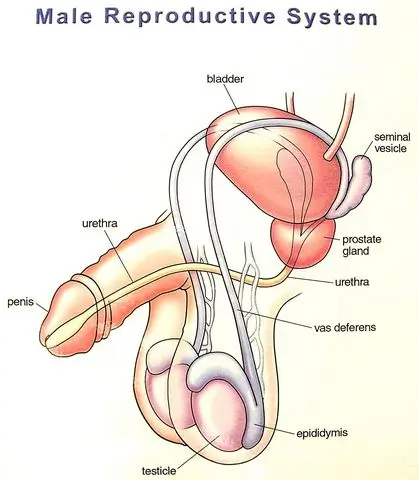
Sperm are made in the testes and move through the epididymis, where they mature. From there, they travel through the vas deferens, the tubes that carry sperm toward the urethra. During a vasectomy, these tubes are blocked so sperm can no longer enter the semen.
After a vasectomy, sperm may remain in the reproductive tract for several weeks. You must continue using other contraception until follow-up semen testing confirms that sperm are no longer present.
Sperm are still made by the testes after the procedure, but they can no longer pass through the vas deferens. The body naturally absorbs the retained sperm, similar to how it recycles other cells and proteins.
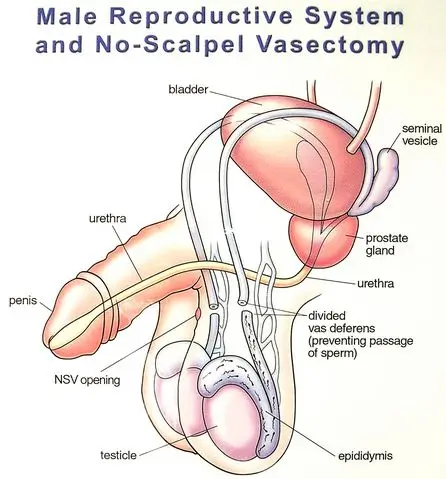
A vasectomy blocks sperm from entering semen, but it does not affect testosterone, erections, sex drive, or climax.
This is based upon surveys of our own patients.
Most men recover without serious problems after vasectomy. However, like any medical procedure, vasectomy has possible risks. These may include temporary soreness, swelling, bruising, infection, bleeding, sperm granuloma, chronic discomfort, or, rarely, failure of the procedure.
Some temporary discomfort, bruising, swelling, or tenderness can occur after vasectomy. These effects are usually mild and improve with time, rest, and proper aftercare.
Less common risks include infection, bleeding, hematoma, sperm granuloma, congestion, or ongoing scrotal discomfort. Patients should contact the office if symptoms feel unusual, worsen, or do not improve as expected.
Vasectomy is highly effective, but it is not immediate. Sperm may remain after the procedure, so another form of contraception must be used until semen testing confirms that sperm are no longer present.
Current evidence has not proven a link between vasectomy and long-term health problems such as cancer or cardiovascular disease. Patients with questions should discuss them with the doctor before the procedure.
There are no proven long-term health risks (neither cancer nor cardiovascular disease) associated with vasectomy, but since questions have been raised, they are addressed in our page of Frequently Asked Questions.
Consider the Alternatives to Vasectomy.
The risks of NOT having a vasectomy are all borne by the partners of men who choose to avoid vasectomy. And they are considerable!

Vasectomy should be treated as a permanent form of birth control. Although reversal may be possible, it does not always lead to pregnancy, so the decision should be made carefully and without pressure.
Vasectomy may be a good choice for men who are certain they do not want future pregnancies. Men in their 20s, men with fewer than two children, or anyone unsure about future family plans should take extra time to review all reversible birth control options before proceeding.
You should not have a vasectomy if you feel pressured, if your relationship or personal life is temporarily unstable, or if you have not fully considered alternatives. If you have never caused a pregnancy, sperm storage or additional testing may also be worth discussing before making a final decision.
Helpful resources:
At our Tampa/Lutz office (click for location and directions), we can usually see any candidate within two weeks.
Because there is so much information here in vasweb.com, especially with the online counseling video, we do not require preliminary consultation visits and most men opt for only one visit, during which we complete the consultation and procedure. If you would like to visit the office and meet Dr. Stein, Galante or Samplaski personally before deciding to proceed, we would be delighted to see you twice. (In fact, we prefer to consult with childless men in their 20's either in person or by telephone at least one week before their vasectomies to thoroughly discuss the issues here.) If the consultation and vasectomy are on separate days, either can be done on any weekday.
All scheduling is done by Heather and Sergio at 813-536-1430 between 9 AM & 4 PM M-F. They can also answer many technical and logistical questions.
As you may have seen in the Florida map on our Index Page, we perform vasectomies at a number of locations in peninsular Florida. A complete schedule with links to maps and information about these locations is in our SCHEDULE page.
You must register online before your visit, but when you arrive, you won't have to fill out all those papers like in many doctors' offices. The benefits are numerous and listed in our On-line Registration Page. Please do not hit SUBMIT more than once. Call our office (813-536-1430) M-F, 9-4 after submitting your registration to arrange a convenient appointment time.
A vasectomy is a minor in-office procedure that provides permanent birth control by preventing sperm from entering the semen. It does not remove the testicles, lower testosterone, or affect erections. At VasWeb, vasectomy is performed with local anesthesia and a streamlined process focused on comfort and clear preparation.
The vasectomy procedure itself is usually brief, often around 15 minutes. The full appointment may take longer because it can include check-in, preparation, counseling confirmation, and post-procedure instructions. Many VasWeb patients complete consultation and procedure in one visit when appropriate.
Most patients feel pressure or mild discomfort rather than sharp pain because local anesthesia is used. Some soreness, swelling, or tenderness can occur afterward, but it is usually temporary. VasWeb provides preparation and aftercare instructions to help patients know what to expect before and after the procedure.
Many patients return to light daily activities within a few days, but heavy lifting, intense exercise, and sexual activity should wait until after the recommended recovery period. Some mild soreness or swelling can happen early on. Patients should follow VasWeb’s aftercare instructions and contact the office with concerns.
You should not stop using other birth control immediately after a vasectomy. Sperm can remain in the reproductive tract for weeks after the procedure. Another form of contraception must be used until follow-up semen testing confirms that sperm are no longer present.
Yes, vasectomy should be considered a permanent form of birth control. Reversal may be possible in some cases, but it is more complex than the original procedure and does not always lead to pregnancy. Men who are unsure about future children should think carefully before scheduling.
A vasectomy reversal may be possible, but success is not guaranteed. Pregnancy after reversal depends on several factors, including time since vasectomy, reproductive health, and partner fertility. VasWeb offers reversal services, but patients should still approach vasectomy as a permanent decision.
No, vasectomy does not lower testosterone, reduce sex drive, or affect erections. It also does not change climax sensation for most patients. The procedure blocks sperm from entering semen, but it does not interfere with the hormones or physical functions responsible for sexual performance.
Most patients do not notice a visible change in semen after vasectomy. Sperm make up only a small portion of semen volume. After the procedure, the body continues to produce sperm, but sperm can no longer pass into the semen and are naturally absorbed by the body.
Vasectomy is one of the most effective long-term birth control methods, but it is not immediate. The procedure is considered successful only after follow-up semen testing confirms that sperm are absent or below the accepted threshold. Until then, another form of contraception is required.
Most men recover without serious problems, but possible risks include temporary soreness, swelling, bruising, bleeding, infection, sperm granuloma, congestion, ongoing discomfort, or rare failure of the procedure. VasWeb explains these risks before treatment so patients can make an informed decision.
VasWeb’s main office is in Tampa/Lutz, and the team also serves patients through multiple clinic locations across Central Florida and surrounding areas, including Orlando, Cocoa, Kissimmee, Ocala, and Port Orange. Patients can review the schedule page to choose a location and date.
Many patients can complete consultation and procedure in one visit after reviewing VasWeb’s online information and counseling video. Patients who want to meet the doctor first can schedule an office visit. Men in their 20s without children are encouraged to discuss the decision before proceeding.
VasWeb lists self-pay vasectomy pricing on the site and also accepts many insurance plans. Final out-of-pocket cost can depend on insurance benefits, eligibility for assistance programs, and clinic details. Patients should review payment information before scheduling and call the office with coverage questions.